Top 5 Best Non-Toxic Feminine Products
5 products independently rated for safety, effectiveness, and value, ranked and reviewed by PollutionProfile.
Conventional tampons and pads are made from non-organic cotton that may retain pesticide residue, dioxins from chlorine bleaching, and synthetic fragrances, all in prolonged contact with the most absorbent tissue in your body. We rated 6 of the best non-toxic organic feminine hygiene products, including menstrual cups, organic tampons, and PFAS-free period underwear, on safety certifications, performance, and value.
10-Year Health Impact
Period underwear tested by PFAS Central found PFAS in 65% of major brands.
estimated life gained
in health value
Exposure, primary risk & chemicals modeled
Primary risk
Dioxins from chlorine-bleached tampons, PFAS in period underwear, pesticide residue in conventional cotton
Organic cotton tampons and pads, PFAS-free period underwear, and menstrual cups eliminate dioxin, PFAS, and pesticide exposure from the most absorptive mucous membranes in the body.
Chemicals addressed
- PFAS (in period underwear moisture-barrier treatments)
- Dioxins (from chlorine bleaching of tampon/pad cotton)
- Pesticide residues (in non-organic cotton)
- Synthetic fragrance in scented pads/tampons
- Rayon off-gassing (in conventional tampons)
Health outcomes
- Reduced PFAS body burden (direct mucous membrane absorption)
- Eliminated dioxin exposure during menstruation
- Reduced pesticide body burden
- Lower endocrine disruptor exposure
The math, step by step
Study Benchmark
PFAS found in 65% of period underwear brands tested (2020)
PFAS Central (Tufts University) testing (2020); vaginal mucosa is among the most permeable tissue in the body
Second Pathway
Dioxins from chlorine-bleached tampons + pesticide residue in conventional cotton
Vaginal mucosa absorbs chemicals directly into bloodstream without liver first-pass metabolism
10-Year Calculation
PFAS + dioxin + pesticide reduction from clean period products over 10 yrs ≈ 12 life-days
Monthly exposure concentrated at highest-permeability site; organic cotton or cup eliminates all three pathways
Economic Value
12 days × $411/day = $4,900
EPA VSLY methodology; $411/life-day
How we score this category
Effectiveness
Absorbency (ml equivalent), leak protection, and comfort reviewed. Menstrual cups and discs rated separately on capacity, seal, and ease of use.
Safety
PFAS-free period underwear verified by independent testing. Organic cotton certification (GOTS) required for tampons and pads. No synthetic fragrance, no scented products.
Affordability
Menstrual cups have high upfront cost ($20–$40) but zero ongoing cost for 5–10 years, which rates excellent on an amortized basis. Per-cycle cost calculated for pads and tampons.
Certifications
GOTS organic cotton for tampons/pads. PFAS-free certification for period underwear (verified by PFAS Central or independent lab). OEKO-TEX Standard 100 for underwear fabrics.
Life-days and economic value are population-level estimates based on peer-reviewed epidemiology using EPA Value of Statistical Life Year methodology (~$150K/year). Individual results vary based on baseline exposure, location, and health status. Not medical advice.

DivaCup
Top PickModel 1 Menstrual Cup
Rating breakdown
Health Canada approved, FDA registered, medical-grade silicone, ISO 13485 certified manufacturing
What we love: I appreciated the introduction of an alternative to the traditional feminine products of hygiene pads and tampons. The idea of a product that can hold up to 12 hour protection amazes me for someone who deals with heavy menstrations.

Kennedy · PollutionProfile reviewer
Customers say: Customers find the menstrual cup works fantastically and is better than tampons, with no leakage and easy cleaning that keeps them feeling fresh throughout their period. Moreover, they appreciate it as a money saver. However, the ease of use and comfort receive mixed feedback - while some find it easy to insert and comfortable, others say it takes getting used to and can be painful to remove. Additionally, the fit is also mixed, with some saying size 1 fits great while others find it too large.
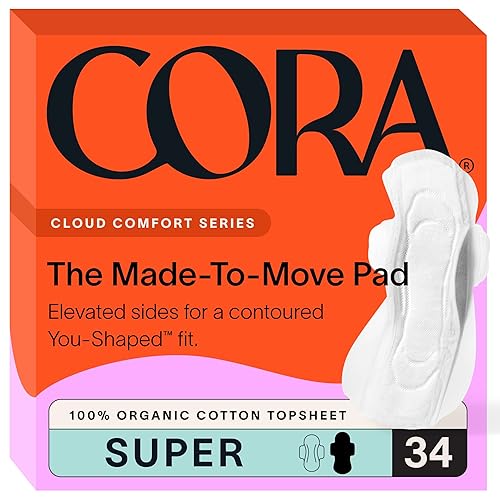
Cora
Organic Cotton Pads — Regular with Wings
Rating breakdown
GOTS certified organic cotton, no fragrances, no chlorine, no synthetic materials
What we love: Cora is always a brand that I can depend on to not worsen my menstrual cramping. The organic no synthetic fragrance, no chlorine bleaching, no dyes helps to ease my flow throughout my period duration, helping me to have a better menstruating experience.

Kennedy · PollutionProfile reviewer
Customers say: Customers find these sanitary pads to be well-made, comfortable, and effective, with good absorbency that one customer notes doesn't leave cotton fuzz behind. They appreciate the 100% cotton material, softness, and thin design. The adhesion receives mixed feedback - while some say they stay in place well, others report issues with the wings not sticking properly.

Pixie
Soft Menstrual Cup
Rating breakdown
FDA-Registered, Leaping Bunny
What we love: I value the Pixie Soft Menstrual Cup for being a cheaper alternative to the Divacupamd the greater range of sizes that can help me find what fits best for my body.

Kennedy · PollutionProfile reviewer
Customers say: Customers find the menstrual cup easy to use, with one noting it's firm enough to open easily, and appreciate that it works well and saves money on tampons. Moreover, the cup receives positive feedback for its quality and effectiveness, with no leaks reported. However, opinions are mixed regarding comfort, with some finding it beyond comfortable while others describe it as super uncomfortable. Additionally, customers disagree on the cup's softness, with some finding it softer than previous models while others say it's too firm, and there are mixed experiences with removal.

Flo
Organic Bamboo Pads (Day & Night Pads)
Rating breakdown
Oeko-Tex Standard 100, Ecocert, PETA, B Corp
What we love: What stood out to me the most about these pads was them being sourced from bamboo fibers. This is not the traditional cotton pad, so this gives an option to those who want an alternative material within their pads.

Kennedy · PollutionProfile reviewer
Customers say: Customers find these menstrual pads to be of good quality, comfortable, and super soft, with great absorbency that quickly soaks up moisture. They work well and are soothing for the body, with one customer noting they provide full coverage on underwear. The adhesiveness receives mixed feedback - while some say they hold in place, others report they don't stay in place well. The thickness is also mixed, with some appreciating the ultra-thin design while others find it too thin.

EcoPeriod
Seamless Period Underwear
Rating breakdown
Oeko-Tex Standard 100, Ecocert, PETA, B Corp
What we love: I always will value strong alternatives to the traditional pads and tampons like these seamless period underwear. These underwear provide a leak protection and can be worn up to 10-12 hours, so these are perfect for bed time comfort.

Kennedy · PollutionProfile reviewer
Customers say: Customers find these period panties comfortable and well-fitting, staying in place without being tight around the top. They receive positive feedback for their quality, absorbency, and leak-proof performance, with one customer noting they can hold a lot of water without soaking through. Customers appreciate their soft, silky feel and lightweight design, particularly for light to medium flow days.
As an Amazon Associate, PollutionProfile earns from qualifying purchases. This does not affect our ratings. Products are scored independently based on safety, effectiveness, and certifications.