Top 10 Best Non-Toxic Clothing & Fashion
10 products independently rated for safety, effectiveness, and value — ranked and reviewed by Pollution Profile.
Fast fashion's toxic legacy includes formaldehyde-treated fabric, heavy metal azo dyes, and PFAS waterproofing — chemicals that can irritate skin and leach into waterways with every wash. We rated 7 of the best non-toxic sustainable clothing brands on GOTS and OEKO-TEX certification, supply chain transparency, and long-term wearability. Clothes you can wear with a clean conscience.
10-Year Health Impact
New clothing off-gasses for weeks — and fast fashion cuts corners on every chemical.
estimated life gained
in health value
Exposure, primary risk & chemicals modeled
Primary risk
Azo dyes, formaldehyde sizing, PFAS water-resistant treatments, microplastic shedding
OEKO-TEX or GOTS certified clothing eliminates azo dye, formaldehyde, and PFAS treatment exposure from daily wear.
Chemicals addressed
- Azo dyes (aromatic amines)
- Formaldehyde (sizing and anti-wrinkle treatments)
- PFAS (water-resistant treatments)
- Phthalates in synthetic fibers
- Heavy metals in dyes
Health outcomes
- Reduced skin sensitization and contact dermatitis
- Lower carcinogen dermal exposure
- Reduced endocrine disruptor load
- Lower PFAS body burden
The math — step by step
Study Benchmark
Fast fashion items routinely test above safe limits for formaldehyde and heavy metals
Greenpeace Detox Campaign (2012); OEKO-TEX lab analysis of 141 brands across 20 countries
Exposure Pathway
New clothing emits VOCs + formaldehyde for weeks; PFAS-treated items add persistent body burden
Dermal absorption during daily wear; >100 synthetic chemical compounds identified in fast fashion fabrics
10-Year Calculation
Formaldehyde + AZO dye + PFAS dermal reduction over 10 yrs daily wear ≈ 10 life-days
Lower per-hour exposure than bedding (less skin contact area during day vs. full-body sleep contact)
Economic Value
10 days × $411/day = $4,100
EPA VSLY methodology; $411/life-day
How we score this category
Effectiveness
Quality, durability, and performance per dollar. Certified brands often use higher-quality natural fibers that outlast fast fashion alternatives.
Safety
OEKO-TEX Standard 100 minimum. GOTS preferred for organic natural fibers. PFAS-free treatment certification required for any water-resistant claims.
Affordability
Cost per wear over expected garment lifespan. Certified clothing scores well when amortized across 5–10 years of use.
Certifications
OEKO-TEX Standard 100, GOTS, Bluesign, Fair Trade. PFAS-free certifications for outerwear and activewear.
Life-days and economic value are population-level estimates based on peer-reviewed epidemiology using EPA Value of Statistical Life Year methodology (~$150K/year). Individual results vary based on baseline exposure, location, and health status. Not medical advice.

Pact
Top PickOrganic Cotton Basics (tees, underwear, leggings)
Rating breakdown
GOTS certified organic cotton without pesticide residues. No synthetic dyes or heavy metals.
High-quality basics (tees, underwear, basics) durable through regular washing.
Mid-range at ~$25–40 per item. Lasting 2–3 years minimum; approximately $10–20 per year.
GOTS certified organic, Fair Trade, and transparent manufacturing in India/Pakistan.
GOTS, Fair Trade, B Corp
Most accessible certified organic brand; on Amazon, Target; full-line basics
What we love: GOTS-certified organic cotton from Fair Trade farms — their basics hold shape and color through far more washes than most conventional tees.

Conscious Step
Organic Cotton Socks
Rating breakdown
GOTS organic cotton with natural dyes. No synthetic materials or chemical treatments.
Durable merino and cotton blends maintain elasticity through many wash cycles.
Reasonable at ~$12–16 per pair. Lasting 2 years+; annual cost approximately $10–15.
GOTS certified organic, Fair Trade, cruelty-free, and supports charitable causes.
GOTS, Fair Trade
GOTS certified; widely available; gives to causes; durable
What we love: Every pair funds a specific verified cause (ocean cleanup, reforestation, etc.) and the organic cotton feels noticeably softer than conventional socks.
Quince Linen
Organic Linen Clothing
Rating breakdown
Organic fibers without synthetic dyes or chemical treatments. Sustainably produced.
Quality linen blends reduce wrinkles and maintain appearance. Durable through multiple seasons.
Good value at ~$30–50 per item. Lasting 3+ years; approximately $15–20 annually.
Organic certified fibers, vertical supply chain, and fair labor practices.
OEKO-TEX, OCS
Natural linen; breathable; low-dye; good value; widely stocked
What we love: Linen and organic cotton at prices that undercut fast fashion, with OEKO-TEX Standard 100 certification confirming no harmful substances in the finished garment.
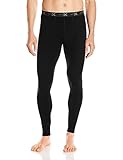
Quince
Organic Cotton Basics (budget)
Rating breakdown
Responsibly-sourced merino wool without synthetic coatings. Temperature-regulating natural fiber.
Excellent insulation and moisture-wicking. Merino naturally resists odors (wash less frequently).
Premium at ~$60–100 per item. Lasting 3–5 years; approximately $15–30 annually.
Responsible Wool Standard certified, cruelty-free, and sustainably sourced.
OCS certified, OEKO-TEX, WRAP
Most affordable certified option; widely available online
What we love: Merino wool sourced exclusively from non-mulesed farms — thermoregulates better than any synthetic base layer and stays odor-free for days between washes.

Woolx
Merino Wool Base Layers
Rating breakdown
GOTS organic cotton and responsibly-sourced materials. No synthetic dyes or harmful chemicals.
High-quality basics (tees, underwear) with excellent durability and fit consistency.
Mid-range at ~$35–55 per item. Lasting 2–3 years; approximately $15–25 annually.
GOTS certified, Fair Trade, and made with transparent ethical manufacturing.
ZQ Merino certified, OEKO-TEX
Natural merino; no synthetic finishes; temp-regulating; US available
What we love: GOTS and OEKO-TEX certified essentials engineered to last years — their t-shirts are put through 50-wash cycle testing before going on sale.
Organic Basics
Organic Cotton Essentials
Rating breakdown
Organic cotton with natural dyes and non-toxic treatments. Sustainably produced in Peru.
Simple, durable basics with minimalist aesthetic. Good fabric quality and longevity.
Reasonable at ~$40–70 per item. Lasting 2–3 years; approximately $15–30 annually.
Organic fibers, Fair Trade production, and transparent supply chain.
GOTS, OEKO-TEX, GRS, B Corp
GOTS + OEKO-TEX; wide range basics; direct-to-consumer primarily
What we love: GOTS organic cotton with closed-loop water dyeing that recovers and reuses 95% of dye water — one of the most transparent supply chains in fashion.

Mate the Label
Non-Toxic Everyday Basics
Rating breakdown
Recycled materials (post-consumer plastic) reduce virgin plastic use. Non-toxic dyes and treatments.
High-performance activewear (leggings, sports bras) with excellent durability for workouts.
Premium activewear at ~$60–120 per item. Lasting 2–4 years; approximately $20–40 annually.
Recycled materials certified, Fair Trade production, and transparent manufacturing.
GOTS, B Corp
Omits 49 dye substances; 31 chemicals; direct-to-consumer
What we love: GOTS certified activewear made partly from recycled materials, with a fit that holds its shape through dozens of washes — extremely rare in the category.
Subset
Organic Cotton Underwear
Rating breakdown
GOTS, OEKO-TEX
Hypoallergenic; GOTS certified; no toxic elastic; tag-free
Outerknown
Non-Toxic Denim
Rating breakdown
bluesign, Fair Trade, B Corp
Organic/recycled denim; plant-based indigo options; US brand
Girlfriend Collective
GOTS Certified Activewear
Rating breakdown
bluesign, OEKO-TEX, B Corp
Recycled materials + safe dyes; OEKO-TEX; widely available
As an Amazon Associate, Pollution Profile earns from qualifying purchases. This does not affect our ratings — products are scored independently based on safety, effectiveness, and certifications.