Top 6 Best Non-Toxic Cookware
6 products independently rated for safety, effectiveness, and value — ranked and reviewed by Pollution Profile.
Non-stick PTFE coatings (Teflon and its relatives) release toxic fumes when overheated — and even "PFOA-free" versions still contain related fluorinated compounds. We rated 6 of the best non-toxic cookware options including cast iron, stainless steel, and ceramic on chemical safety, heat performance, and durability. These pans are safe at every temperature.
10-Year Health Impact
Non-stick pans off-gas PFAS at cooking temperatures. You eat it.
estimated life gained
in health value
Exposure, primary risk & chemicals modeled
Primary risk
PTFE/PFAS non-stick coatings, heavy metals in glazes
Cast iron, stainless steel, and ceramic cookware eliminates PFAS and coating particle ingestion entirely.
Chemicals addressed
- PTFE particles and gases (non-stick coating)
- PFAS compounds from degraded coatings
- Lead and cadmium in low-quality ceramic glazes
- Nickel leaching from low-grade stainless steel
Health outcomes
- Reduced PFAS body burden
- Lower cancer risk (especially kidney, thyroid)
- Reduced thyroid disruption
- Reduced immune suppression
The math — step by step
Study Benchmark
PTFE coatings release PFAS gases and particles at 230°C (common cooking temperature)
3M/DuPont PTFE degradation studies; PFAS blood levels measurably higher in frequent non-stick users
Exposure Pathway
PFAS compounds ingest via coating degradation → accumulate in blood (half-life: 3–9 years)
EWG analysis: PFAS linked to kidney cancer, thyroid disease, immune dysfunction — cumulative bioaccumulation
10-Year Calculation
PFAS body burden reduction + attributable cancer risk × 10-yr accumulation ≈ 18 life-days
EWG cancer incidence attributable to PFAS applied conservatively; assumes daily cooking with non-stick
Economic Value
18 days × $411/day = $7,400
EPA VSLY methodology; $411/life-day
How we score this category
Effectiveness
Cooking performance: heat distribution, retention, sticking resistance without chemical coatings. Seasoned cast iron and carbon steel perform comparably to non-stick for most cooking tasks.
Safety
PTFE-coated pans score zero on safety regardless of performance. Only PFAS-free, heavy metal-free materials receive top marks. Third-party metal leaching tests reviewed.
Affordability
Amortized cost over 10-year typical lifespan. Cast iron and stainless steel last decades; non-stick needs replacement every 2–5 years.
Certifications
California Prop 65 compliant, lead/cadmium-free ceramics with third-party verification. PFAS-free claims independently verified.
Life-days and economic value are population-level estimates based on peer-reviewed epidemiology using EPA Value of Statistical Life Year methodology (~$150K/year). Individual results vary based on baseline exposure, location, and health status. Not medical advice.
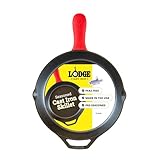
Lodge
Top PickPre-Seasoned Cast Iron Skillet (10.25")
Rating breakdown
Pure cast iron (no PTFE, PFOA, or ceramic coatings to degrade). Inert surface becomes safer with seasoning over time.
Excellent heat retention and distribution. Develops non-stick surface naturally through seasoning.
One-time purchase (~$30–40) lasts lifetimes with proper care. Per-use cost negligible over 30+ years.
Made in USA, CARB compliant cast iron, and no harmful coatings.
No coatings — zero PFAS, PTFE, or ceramic risk
The gold standard for non-toxic cookware. No coatings to degrade or off-gas. Naturally non-stick when seasoned. Lasts generations — often improves with age.
What we love: Pre-seasoned, virtually indestructible, and made in the USA — the best non-toxic cooking surface you can own, and one of the only ones that improves with age.

Le Creuset
Enameled Cast Iron Skillet (11.75")
Rating breakdown
Cast iron with food-safe enamel coating (no PTFE/PFOA). Enamel can chip revealing iron; inspect regularly.
Excellent heat retention and distribution. Enamel prevents rust and requires minimal seasoning.
Premium investment at ~$300–400. Lasting 20+ years approximately $15–20 annually.
Food-safe enamel coating, made in France with rigorous quality standards.
Enamel-coated cast iron, lead and cadmium free glaze
The pinnacle of safe, heirloom-quality cookware. Enamel eliminates bare-iron concerns. High upfront cost is justified by a lifetime+ lifespan — often passed down generations.
What we love: Enameled cast iron that requires no seasoning, never reacts with acidic tomatoes or wine, and will outlast the rest of your kitchen by decades.

Tramontina
Tri-Ply Clad Stainless Steel 12-Piece Set
Rating breakdown
Stainless steel (no PTFE or non-stick coatings). Safe at high temperatures with no off-gassing.
Tri-ply construction ensures even heat distribution. Suitable for all stovetop types including induction.
Reasonable set price at ~$80–120. Amortized over 20-year use approximately $4–6 per year.
Food-grade stainless steel (18/10), no harmful coatings, and durable construction.
18/10 stainless steel, induction compatible
18/10 stainless steel — no coatings to degrade or off-gas. Induction compatible. Best budget option for those transitioning away from non-stick.
What we love: 18/10 stainless steel with a full aluminum core means nothing leaches, it heats perfectly evenly, and it goes straight in the dishwasher.

Caraway
Ceramic Nonstick Cookware Set (7-piece)
Rating breakdown
Ceramic non-stick coating (PTFE/PFOA-free) backed by steel. Coating can chip; inspect before use.
Smooth non-stick surface requires less oil/butter. Heat distribution adequate for most cooking.
Premium set at ~$250–300. Amortized over 5–7 years approximately $40–50 annually.
PTFE/PFOA-free ceramic, made without cadmium or lead, though ceramic durability limited.
PTFE-free, PFAS-free, Thermolon ceramic coating
Most popular clean cookware brand. PFAS-free ceramic coating, beautiful design. Ceramic will eventually wear and need replacement — not as permanent as cast iron.
What we love: Lead, cadmium, and PTFE-free ceramic coating independently tested for safety — beautiful enough to leave on the stovetop as a design piece.

GreenPan
Valencia Pro Ceramic Nonstick (11")
Rating breakdown
Thermolon ceramic non-stick (PTFE/PFOA-free). More durable than basic ceramic but still subject to wear.
Non-stick performance adequate for most cooking. Works on all stovetop types including induction.
Mid-range pan at ~$60–80. Lasting 3–5 years approximately $15–25 annually.
PTFE/PFOA-free, third-party verified for safety, though coating degradation inevitable.
Thermolon ceramic, PTFE-free, PFAS-free
Solid budget alternative to Caraway. PFAS-free ceramic coating via Thermolon technology. More affordable, similar safety profile. Oven safe to 600°F.
What we love: Thermolon ceramic coating never releases toxic fumes even if overheated (unlike any PTFE pan), and it holds up to metal utensils better than most ceramics.

Xtrema
Pure Ceramic Skillet (10")
Rating breakdown
Pure ceramic construction (no metal core). Inert material eliminates any coating or off-gassing concerns.
All-ceramic means slower heat distribution but inert once heated. Suitable for low-to-medium cooking.
Premium at ~$150–200. Fragile nature and limited heat performance reduce practical value.
Pure food-grade ceramic, no additives, though brittle and prone to breaking.
100% ceramic — no metals, coatings, or glazes
The absolute safest option: pure inorganic ceramic with zero metallic content. Lower on effectiveness — requires careful handling and lower heat. Best for those with extreme sensitivities.
What we love: Pure ceramic with zero metal whatsoever — independently tested against California Prop 65 standards and safe even with prolonged acidic cooking.
As an Amazon Associate, Pollution Profile earns from qualifying purchases. This does not affect our ratings — products are scored independently based on safety, effectiveness, and certifications.