Overview
Imagine a microscopic security guard that only allows water molecules to pass while blocking virtually everything else at the gate.
The Mechanics of Pure Water
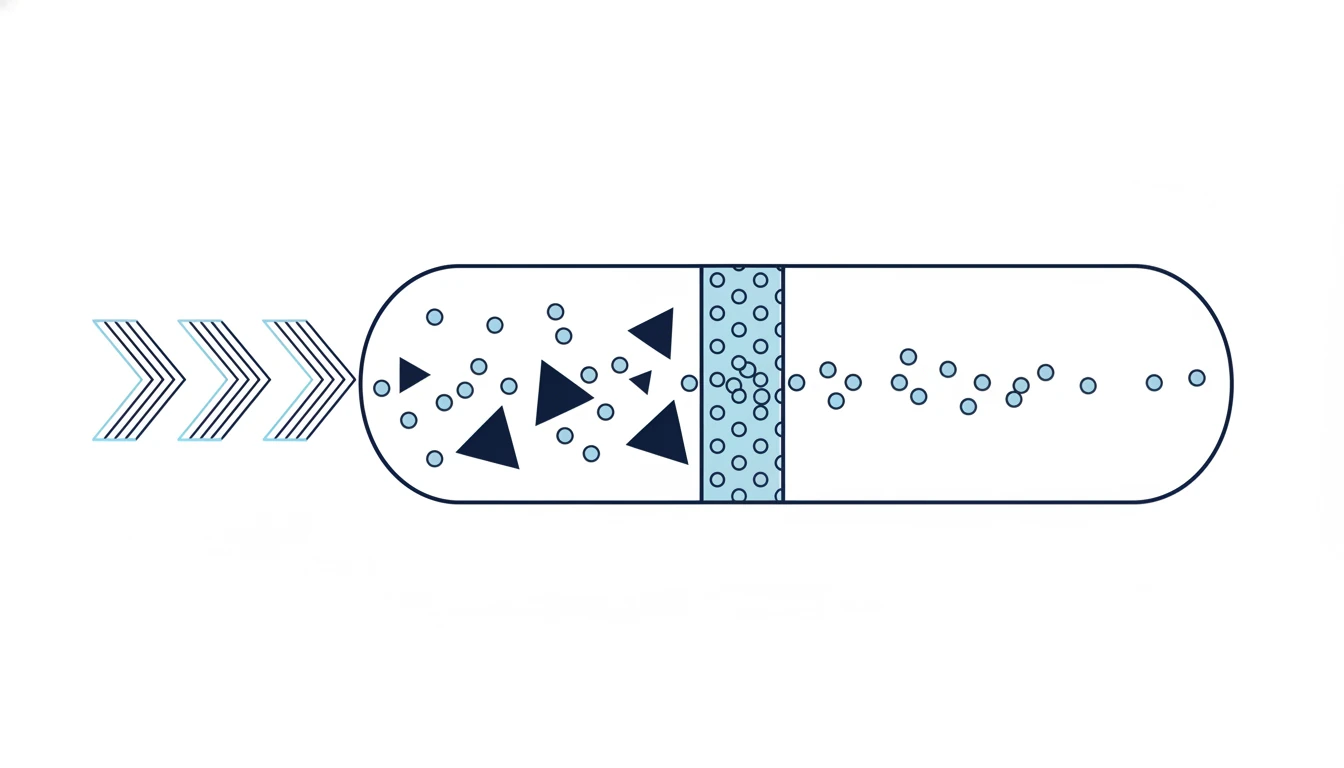
Reverse Osmosis (RO) is a water purification process that uses a partially permeable membrane to remove ions, unwanted molecules, and larger particles from drinking water [1]. In standard osmosis, water flows from a less concentrated solution to a more concentrated one. RO reverses this by applying pressure to push water from a high concentration of contaminants to a pure state.
[IMAGE:after_title]
Here is how the filtration stages typically work:
1. Sediment Filter: Removes large particles like dust, rust, and sand. 2. Carbon Filter: Removes chlorine, volatile organic compounds (VOCs), and odors. 3. RO Membrane: The heart of the system. It forces water through tiny pores (approx. 0.0001 microns) that block contaminants like lead and arsenic [2]. 4. Polishing Filter: A final carbon filter to ensure the water tastes crisp before it hits your glass.
Health Impact
While reverse osmosis is a powerhouse for removing toxins, it is important to understand how it changes the chemical makeup of your water.
What RO Removes (and What it Doesn't)
RO systems are highly effective at creating a 'blank slate' for your water. This has significant benefits for safety, but also a few considerations for nutrition.
The Safety Benefits • Heavy Metals: effectively reduces up to 99% of lead, arsenic, and mercury [1]. • Microorganisms: Filters out parasites like Cryptosporidium and Giardia which are resistant to chlorine [3]. • PFAS: One of the most effective methods for removing 'forever chemicals' from tap water.
[IMAGE:after_title]
The Mineral Consideration Because the membrane is so fine, it also removes beneficial minerals like calcium and magnesium.
- Some studies suggest that cooking with demineralized water may cause a loss of essential elements from food [2].
- However, for most people with a balanced diet, the minerals missed in water are easily made up through food intake.
Smart Tips
Owning a reverse osmosis system requires a little strategy to keep it efficient and beneficial for your household.
Optimizing Your Water System
To get the most out of an RO system, you need to manage maintenance and water efficiency actively. Here are actionable steps for RO owners:
[IMAGE:after_title]
1. Remineralize Your Water: Since RO removes healthy minerals, consider a system with a 'remineralization stage' or add trace mineral drops to your glass. This improves taste and pH balance. 2. Monitor the Waste Ratio: Standard RO systems can waste 3 to 4 gallons of water for every 1 gallon produced. Look for modern systems with a 1:1 efficiency ratio or a permeate pump to reduce waste [1]. 3. Change Filters on Time: • Pre-filters: Every 6–12 months. • RO Membrane: Every 2–3 years. • Neglecting this can foul the membrane and reduce water quality.
Key takeaways
- •Reverse Osmosis pushes water through a membrane to remove up to 99% of contaminants.
- •The process removes harmful lead and bacteria but also removes beneficial minerals.
- •Efficient systems and remineralization can solve water waste and taste issues.